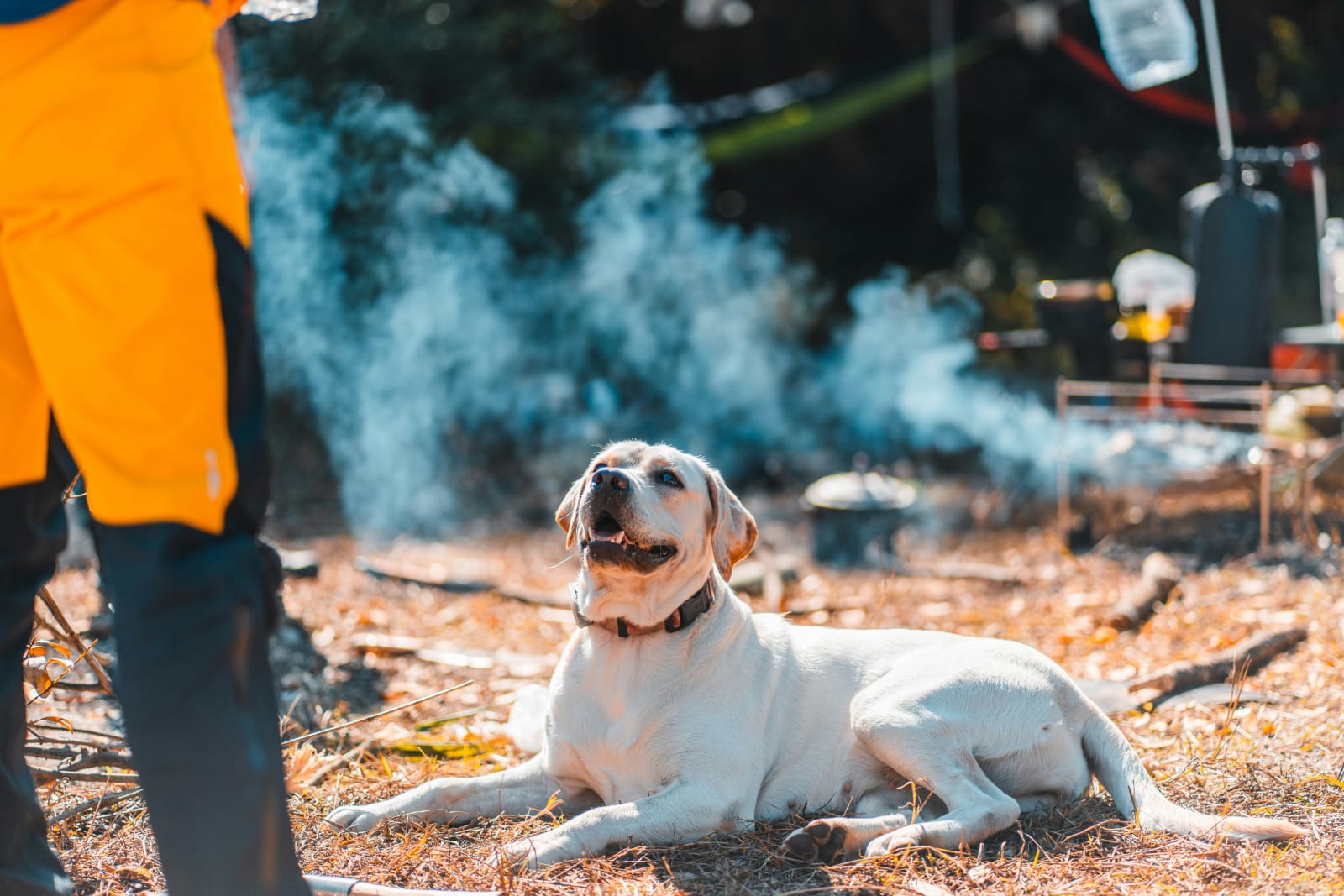
When temperatures drop and snow blankets Ogden, your dog’s excitement for that first walk in fresh powder is undeniable. But as much as our dogs love winter, Northern Utah’s sub-freezing mornings, icy sidewalks, and long dark evenings bring real risks.
Frostbite, hypothermia, toxic de-icers, and slippery conditions can turn a routine walk into a stressful situation in seconds.
If you’ve ever hesitated at the door, wondering whether it’s too cold to walk your dog, or felt guilty cutting a walk short because your hands are freezing, you’re not alone. Ogden pet parents reach out every winter wondering what “safe” really looks like when the thermometer reads 15 degrees and the wind is biting.
With the right knowledge, gear, and a few routine tweaks, your dog can stay safe, comfortable, and well-exercised all winter long.
And when work, travel, or a surprise snowstorm make it hard to be there yourself, a trusted professional dog walker who understands winter safety can keep your dog’s routine on track.

02How Cold Is Too Cold for Your Dog?
There’s no single answer, because every dog is different. A Siberian husky with a thick double coat may happily play in the snow for hours, while a Chihuahua or senior Lab might start shivering after just a few minutes outside.
As a general guideline, when temperatures drop below 32°F, start paying close attention to your dog’s behavior. Small dogs, puppies, seniors, and breeds with thin coats or low body fat are at higher risk.
Once you’re below 20°F, even hardy breeds should have shorter outdoor sessions, and below 0°F or in strong wind chill, most dogs should only go out long enough for quick potty breaks.
Watch your dog, not just the thermometer. If your dog is lifting paws, trembling, whining, slowing down, or trying to turn back toward the house, those are signs they’re too cold.
Hypothermia and frostbite are real dangers in Utah winters, and catching the early signs can prevent a trip to the vet.
03Recognizing Cold Stress, Hypothermia, and Frostbite
Early cold stress and hypothermia signs
Cold stress often starts with shivering: your dog’s body is working hard to stay warm. But if shivering becomes severe or stops entirely, if your dog seems lethargic, stumbles, or has trouble walking, those are warning signs of hypothermia.
Pale or blue-tinged gums, shallow breathing, and disorientation are emergencies. If you see these symptoms, bring your dog inside immediately, wrap them in warm blankets, and call your veterinarian.
Frostbite warning areas
Frostbite typically affects the ears, tail, paw pads, and any skin with less fur or blood flow. The affected areas may look pale or gray at first, then red and swollen as they warm.
Frostbite can be painful and cause lasting tissue damage, so prevention is key. Keep winter walks shorter when it’s bitterly cold, and always check paws and ear tips when you come inside.
04Paw Protection 101: Ice Melt, Snow, and Paw Care
Your dog’s paws are tough, but they’re not invincible. Ice, snow, road salt, and chemical de-icers all pose hazards. Salt and many commercial ice melts can irritate and crack paw pads, and if your dog licks their paws afterward, they may ingest toxic chemicals.
Antifreeze, which has a sweet taste that attracts dogs, is extremely poisonous even in tiny amounts.
Before and after each winter walk
Before each winter walk, check your dog’s paws. Trim any long fur between the toes to prevent ice balls from forming, which can be painful and make walking difficult.
After every walk, wipe down all four paws with a damp towel or rinse them gently with lukewarm water to remove salt, de-icer residue, and any antifreeze they may have stepped in.
Boots, balms, and better traction
For dogs who tolerate them, boots are one of the best winter investments you can make. Quality dog boots protect paws from ice, salt, and cold surfaces, and they provide traction on slippery sidewalks.
It may take a few tries to find boots that fit well and stay on, but once they adjust, you’ll notice a big difference in their comfort and confidence on winter walks. If boots aren’t an option, paw balms and waxes can offer some protection by creating a barrier between sensitive pads and harsh surfaces.
You can find winter dog gear like boots, jackets, and paw balms at local shops or on Amazon. Store staff can help you choose the right fit and style for your dog.
05Coats and Sweaters: Who Needs Them and Why

Not every dog needs a winter coat, but many do. Small breeds, puppies, senior dogs, and those with short or thin fur don’t have the natural insulation to stay warm in freezing temperatures.
Breeds like greyhounds, Chihuahuas, French bulldogs, and older Labs often benefit from a well-fitted coat or sweater.
Look for coats that cover the chest and belly without restricting movement, and make sure they’re water-resistant if you’ll be walking in snow or slush. A dry dog is a warmer dog, so if your dog’s coat gets wet, towel them off as soon as you’re back inside.
Many dogs also appreciate a lighter layer indoors while they warm up after a chilly outing.
Supporting senior and mobility-limited dogs
One client mentioned how their senior dog, who can’t handle long walks anymore, still needs to get outside for bathroom breaks. We make sure older dogs are bundled appropriately and never rushed.
Each visit is adjusted to their comfort level and energy, whether that’s a two-minute trip to the front yard or a slow stroll around the block.
06Safe Winter Walking Routines
Winter walks look different than summer hikes, and that’s okay. Shorter, more frequent outings are safer and often more comfortable for both you and your dog.
Instead of one long morning walk, consider two or three brief trips spaced throughout the day. Your dog still gets the exercise and mental stimulation they need, and you reduce the risk of overexposure to cold.
Stay on leash during snowstorms and in areas with poor visibility. Dogs can lose their scent trail in fresh snow and wander off, and icy conditions make it harder for them to navigate safely.
Stick to cleared sidewalks when possible, and avoid areas where snowplows have piled up salt and chemical treatments.
If winter weather or your schedule make walks tricky, consistent, shorter visits from a trained dog walker can keep your dog’s routine safe and predictable.
If you work long hours or have an unpredictable schedule, a professional dog walker can help maintain your dog’s routine even when the weather turns nasty.
Our team walks dogs on snowy February mornings, icy afternoons, and during surprise winter storms, always adjusting walk length and route based on conditions and each dog’s tolerance.
We check paws before and after walks, wipe off any ice melt residue, and send you photos and updates so you know your dog stayed safe and got the care they needed.
07Keeping Outdoor Dogs Safer in Utah Winters

If your dog spends time outdoors, even just part of the day, winter safety becomes even more critical. Utah vets and animal welfare experts are clear: dogs should not be left outside overnight when temperatures drop below freezing.
Any outdoor shelter must be warm, dry, and draft-free.
Building a safer winter shelter
A proper winter shelter is insulated, raised off the ground to prevent cold and moisture from seeping in, and just large enough for your dog to stand, turn around, and lie down comfortably.
Smaller spaces retain body heat better than oversized doghouses. The entrance should have a door flap to block wind and snow, and bedding should be dry straw, not blankets or towels, which can absorb moisture and freeze.
Check water bowls multiple times a day in freezing weather. Heated bowls are a smart investment if your dog spends significant time outside.
And remember, if it’s too cold for you to stay outside comfortably, it’s likely too cold for your dog.
Local Tips for Ogden Winters
- Pay close attention to forecasted wind chill; a mild temperature can feel dangerously cold along the Wasatch Front when winds pick up.
- After heavy snowfalls, avoid walking near plow piles where salt and de-icers are concentrated.
- On inversion days with poor air quality, opt for shorter outdoor time and more indoor enrichment, especially for senior or respiratory-compromised dogs.
- If your dog must be outside during the day, bring them indoors at night and consider midday visits to break up long stretches alone in the cold.
Ogden winters can be unpredictable, and even well-meaning pet parents can be caught off guard by a sudden cold snap or overnight storm. If your dog must be outside during the day, bring them in at night, and consider scheduling midday dog walking visits to break up long, cold stretches alone.
08Indoor Enrichment for Snowy Days

Some days, the weather just isn’t safe for outdoor exercise. During blizzards, extreme cold, or when Utah’s winter inversion creates poor air quality, keeping your dog inside is the right call.
But a bored, under-exercised dog can quickly become anxious or destructive, so it’s important to have indoor enrichment options ready.
Brain games and low-impact play
Puzzle toys, treat-dispensing balls, and scent games can tire out your dog’s brain as much as a walk tires their body. Hide treats around the house and encourage your dog to sniff them out.
Practice training commands in short, fun sessions. Play gentle indoor fetch down a hallway or up and down stairs if your dog is young and healthy. Even a game of tug or a new chew toy can help burn off energy on days when going outside isn’t an option.
If your dog is high-energy and you’re worried they’re not getting enough exercise during a stretch of bad weather, a professional dog walker can often find safe windows for shorter outdoor sessions, or provide enrichment visits that include indoor play, training, and attention.
That extra stimulation helps keep your dog mentally engaged and emotionally balanced until the weather cooperates again.
09Winter Toxins: Ice Melt, Road Salt, and Antifreeze
Winter brings a few hidden dangers that pet parents need to watch for. Road salt and many commercial ice melts contain chemicals that can irritate your dog’s paws and stomach if ingested.
Symptoms of salt poisoning include vomiting, diarrhea, lethargy, excessive thirst, and in severe cases, seizures.
Antifreeze is even more dangerous. It tastes sweet, so dogs may lick it off driveways or puddles, but even a small amount can cause kidney failure and death.
If you suspect your dog has ingested antifreeze, get to a vet immediately, this is a true emergency.
At home, choose pet-safe de-icing products whenever possible, and store antifreeze, windshield washer fluid, and other winter chemicals out of reach.
After every walk, wipe your dog’s paws to remove any residue they may have picked up.
If your dog starts acting strangely after a winter outing, don’t wait. Call your vet or contact Ogden City Animal Services if you need guidance on local animal welfare resources or have concerns about a pet left outside in unsafe conditions.
10Holiday and Ski Trip Planning
Winter in Utah also means holiday travel and ski trips, and if you’re heading out of town, planning ahead for your dog’s care is essential.
Boarding can be stressful, especially in cold weather when dogs may already be feeling anxious or under the weather.
In-home pet sitting keeps your dog in their own warm, familiar environment, maintains their normal routine, and eliminates the stress of transport and kennels.
We’ve cared for dogs through long holiday breaks, winter storms, and extended ski trips, providing multiple daily visits, playtime, feeding, medication, and even house checks to make sure everything stays safe while you’re away.
One family told us how relieved they were to get photos and updates while they were out of town, knowing their dogs were cozy, exercised, and happy at home instead of stressed in a kennel during a February cold snap.
If you’re planning winter travel, book your pet sitting early. Holiday weeks and ski season weekends fill up fast, and securing a trusted sitter means one less thing to worry about while you’re away.
11How a Professional Dog Walker Manages Winter Safety

Not all dog walkers are trained to handle winter conditions safely, but the ones who are make a real difference.
Professional walkers who understand cold-weather risks know how to read a dog’s body language, recognize early signs of cold stress, adjust walk length based on temperature and wind chill, and protect paws from ice and chemicals.
We check each dog’s paws before heading out to make sure there are no cuts, cracks, or ice balls forming between the toes. We monitor behavior closely during the walk, watching for lifting paws, reluctance to keep moving, or shivering.
If conditions are too harsh, we shorten the walk or switch to a quick potty break and indoor play instead. After every visit, we wipe paws, dry off wet fur, and send you a detailed report with photos so you know exactly how your dog did.
Our staff complete ongoing training in pet first aid, behavior, and safety, so you can feel confident your dog is in capable, caring hands no matter what the weather brings.
If you’d like to learn more about how we prepare our team, you can read about our employee training program.
Need Winter Dog Walking Support?
If you’re juggling work, family, and unpredictable winter storms, consider booking a few winter dog walking visits. A consistent, safety-focused routine helps your dog stay relaxed, exercised, and warm all season long.
You can explore services and availability anytime on the online scheduling page.
12Quick Winter Safety Checklist

Use this simple checklist to keep your dog safe all winter long:
- Shorten walks when temps drop below 32°F, and limit outdoor time to potty breaks below 0°F.
- Check paws before and after every walk; wipe off ice melt, salt, and snow.
- Invest in boots and a coat if your dog is small, short-haired, young, or senior.
- Never leave your dog outside overnight in freezing weather.
- Provide an insulated, dry, draft-free shelter if your dog must be outdoors during the day.
- Use pet-safe de-icers at home and keep antifreeze and other chemicals locked away.
- Watch for signs of hypothermia and frostbite: shivering, lethargy, pale gums, lifting paws, or disorientation.
- Plan indoor enrichment for days when it’s too cold or air quality is poor.
- Book winter pet care early if you’re traveling for the holidays or ski season.
13Frequently Asked Questions
How cold is too cold to walk my dog in Ogden?
For most dogs, start shortening walks around 32°F, use extra caution below 20°F, and limit time outside to quick potty breaks below 0°F or in strong wind chill. Always watch your dog’s behavior and body language, not just the temperature reading.
Do all dogs need boots and coats in winter?
Not all, but many do. Small, short-haired, senior, and thin-coated dogs benefit most from boots and coats. Even cold-loving breeds may need paw protection from ice melt and traction on slippery sidewalks. Watch for shivering or paw lifting as your guide.
How can I tell if my dog has frostbite or hypothermia?
Frostbite often affects ears, tail, and paws, appearing pale, gray, or cold to the touch, later turning red and swollen. Hypothermia signs include severe or stopping shivers, lethargy, stumbling, pale gums, and confusion. These are emergencies, warm your dog gradually and contact your vet immediately.
What should I do if my schedule makes winter walks difficult?
Consider partnering with a professional dog walker experienced in winter safety. They can adjust walk length to conditions, protect paws, and provide indoor enrichment when the weather is extreme. To see answers to more common questions, visit the dedicated
FAQ page.
14Final Thoughts for Ogden Pet Parents
Winter in Ogden is beautiful, but it can also be tough on our dogs. Whether you’re managing a busy work schedule, planning a ski trip, or just need help keeping your dog safe and exercised during a cold snap, support is available.
Away Home & Pet Care provides professional dog walking and in-home pet sitting throughout the Ogden area, with staff who understand winter safety and genuinely care about your dog’s well-being.
Every visit includes detailed updates, photos, and the peace of mind that comes from knowing your dog is in good hands, no matter how cold it gets outside.
If you’d like to learn more about winter dog walking services or schedule a visit, you can book a consultation online or explore all services at Away Home & Pet Care.
Stay warm, stay safe, and give your pup an extra ear scratch from all of us at Away Home & Pet Care.